New detection system in Chilliwack to cut highway-overpass strikes from overheight trucks
Published 4:18 pm Monday, March 9, 2026
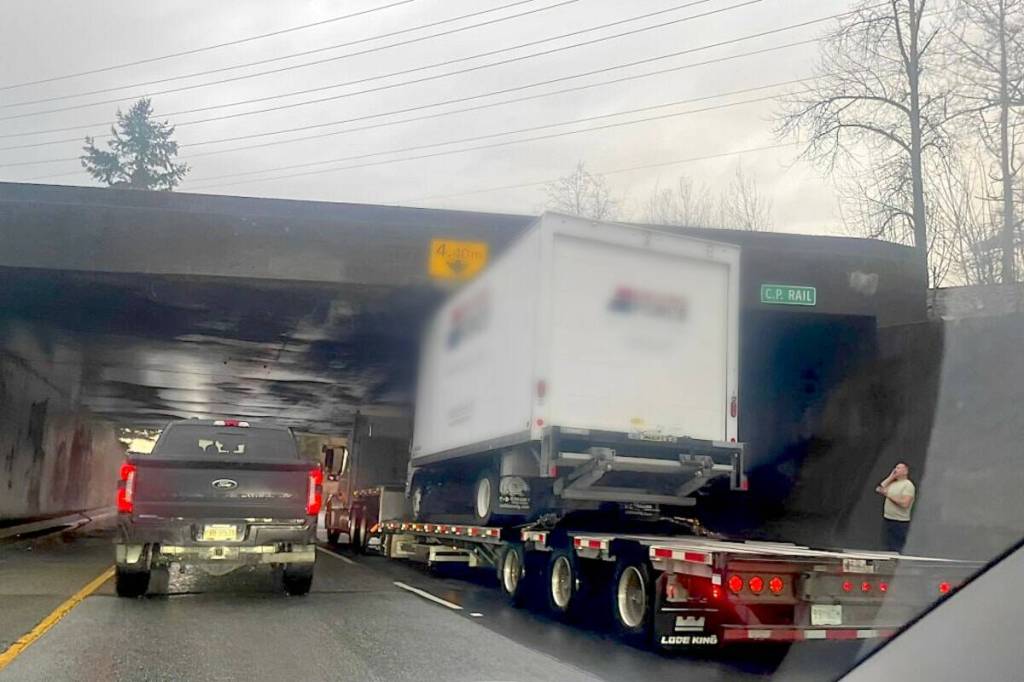
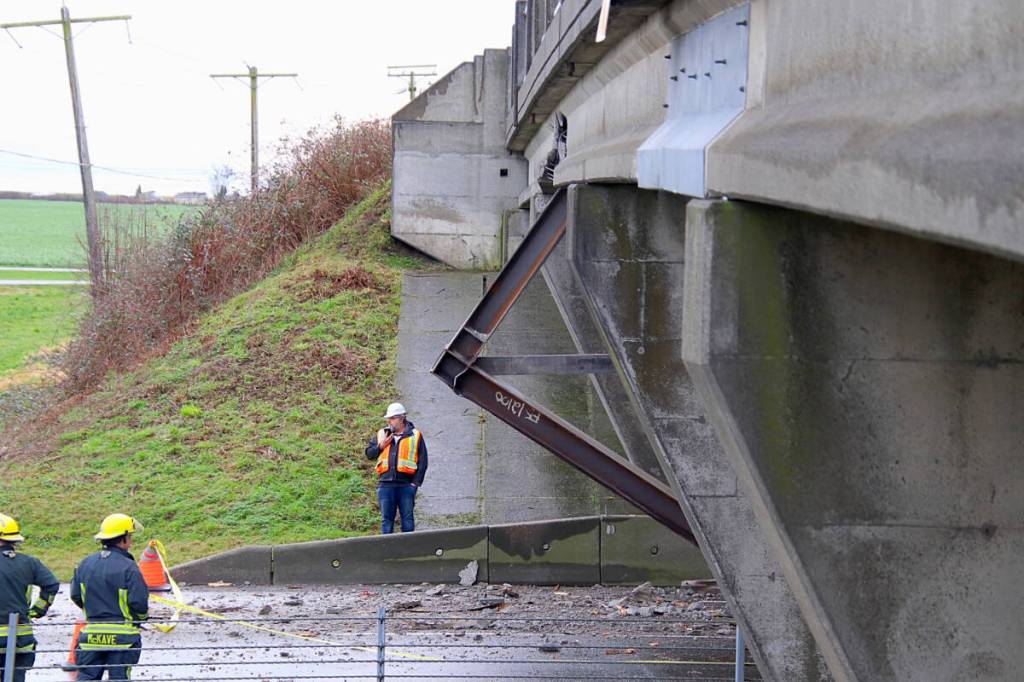
Overpass strikes on Highway 1 could become a thing of the past with the introduction of the new “overheight-detection system” being installed in Chilliwack as a test site for the technology at the No. 3 Road overpass.
“Overheight collisions are entirely preventable,” said Mike Farnworth, Minister of Transportation and Transit. “This new system will help ensure overheight commercial drivers get advanced warning before reaching the overpass.
The Chilliwack location was chosen for a new detection system after six crashes were reported there since 2021, according to the March 9 release from the Ministry of Transportation and Transit.
The concept combines high-tech collision detection tools with stronger enforcement methods.
“We are taking action to reduce the number of strikes and keep people and goods moving safely,” the minister added.
Construction started on March 9, 2026 at the No. 3 Road overpass and interchange in Chilliwack.
“Once installed, the new system will use a combination of beam-break sensors, radar, cameras and flashing beacons to detect vehicles that exceed height limits and alert drivers, allowing them to divert before they reach the overpass.”
The No. 3 Road location was chosen as the test site for the multi-pronged approach because it has seen repeated collisions, which have “caused costly repairs and major traffic delays.”
The six crashes into the No. 3 Road overpass in Chilliwack resulted in lengthy highway closures.
“Preventing overpass strikes is a shared priority for industry and government,” said Dave Earle, president of the BC Trucking Association. “Commercial carriers move over 90 per cent of the goods that keep B.C.’s economy running, and when infrastructure is damaged, it creates safety risks and major disruptions for all road users.
“Combined with proper training and ongoing enforcement, this type of investment supports safer highways and a more reliable transportation network for the movement of goods.”
Combined enforcement and prevention efforts are starting to work, with overpass and infrastructure strikes dropping from 29 in 2024 to 17 in 2025.
The provincial government introduced new safety requirements for commercial vehicles, as well as penalties for commercial vehicle-related infrastructure collisions in 2024.